


Observation • Adaptation • Preparation
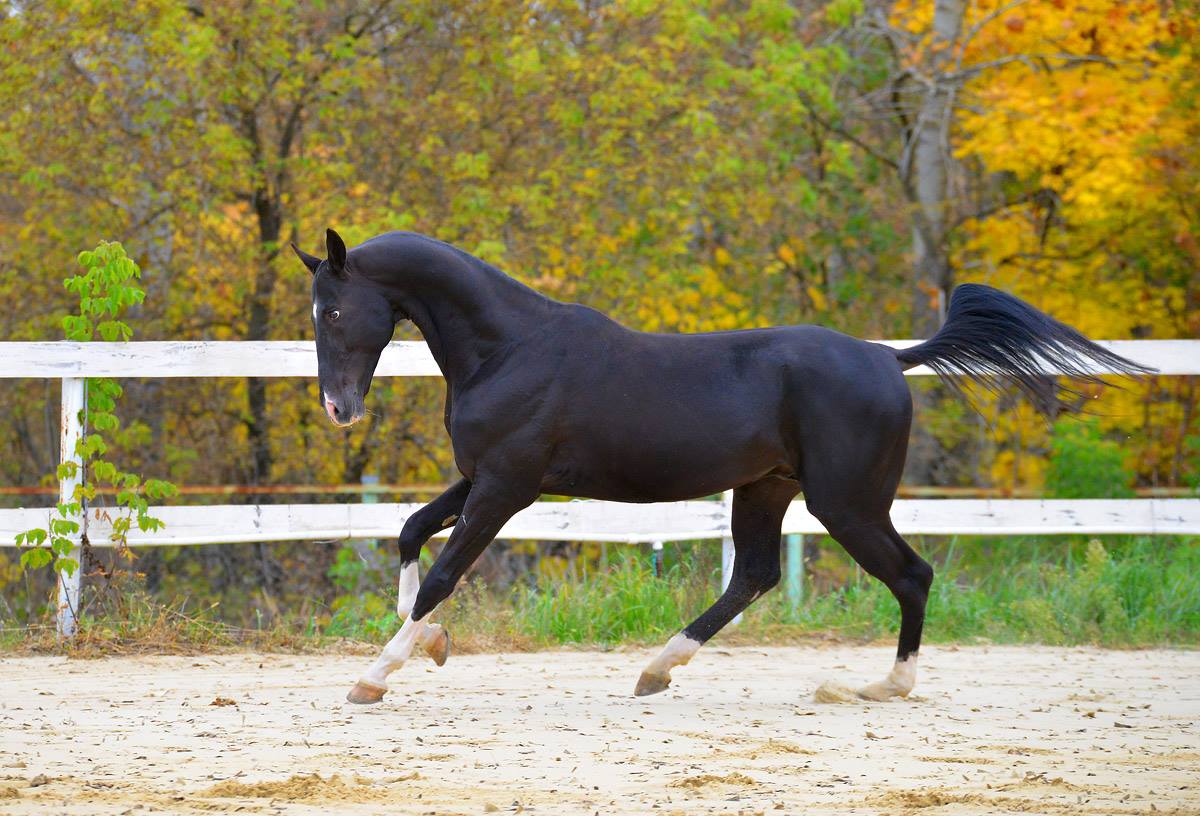
Fall arrives quietly.
The mornings become cooler, the light softer, and the landscape slowly changes into its familiar fall palette. Here in Southwestern Ontario, fall often gives us many warm, golden days before the season truly turns.
For horses, this is a season of subtle change.
The body responds to changing temperatures and daylight, the summer coat gradually begins to transform, and daily rhythms shift almost imperceptibly. The horse may still have plenty of energy and enthusiasm for movement, while quietly beginning to adapt to a different season.
Fall gives us something summer rarely does: a little more time to observe. After months of movement and activity, small changes in the body may become easier to see.
A little stiffness after rest. A change in stride. Less ease bending in one direction. A subtle difference in posture or willingness to move.
These signs do not necessarily mean something is wrong. They may simply be invitations to look a little closer.
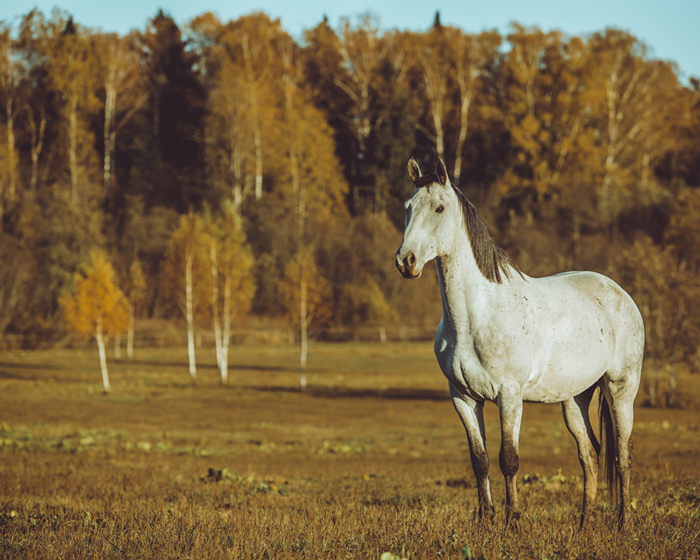
What feels different? What has changed? What might the horse be telling us now?
The body carries the story of how we move through the seasons. Muscles, joints, tendons, ligaments, and fascia continually adapt to movement, posture, loading, and recovery.
The fascia, forming a continuous connective network throughout the body, helps support coordinated movement and the transfer of forces between structures. When patterns of movement change, areas of tension or restriction may become easier to recognize.
This is where Equine Bodywork can become part of the Fall rhythm. Not to force the body, but to support it. Bodywork can help address muscular tension, support fascial mobility and comfortable joint movement, and create an opportunity to listen to what the horse’s body is communicating.
Fall can also give us permission to change the way we spend time together. There may be more space for an unhurried trail ride, relaxed groundwork, stretching, or simply walking beside our horse without a particular goal. These quieter moments give us a chance to become more aware of the horse in front of us — not only what they can do, but how they feel.
Fall reminds us that transition does not have to be rushed.
Nature changes gradually. So can we.
Every season brings changes, and every horse responds in its own way. We can simply accompany them as the body finds its new rhythm — with movement, recovery, awareness, and care.